This is a alert


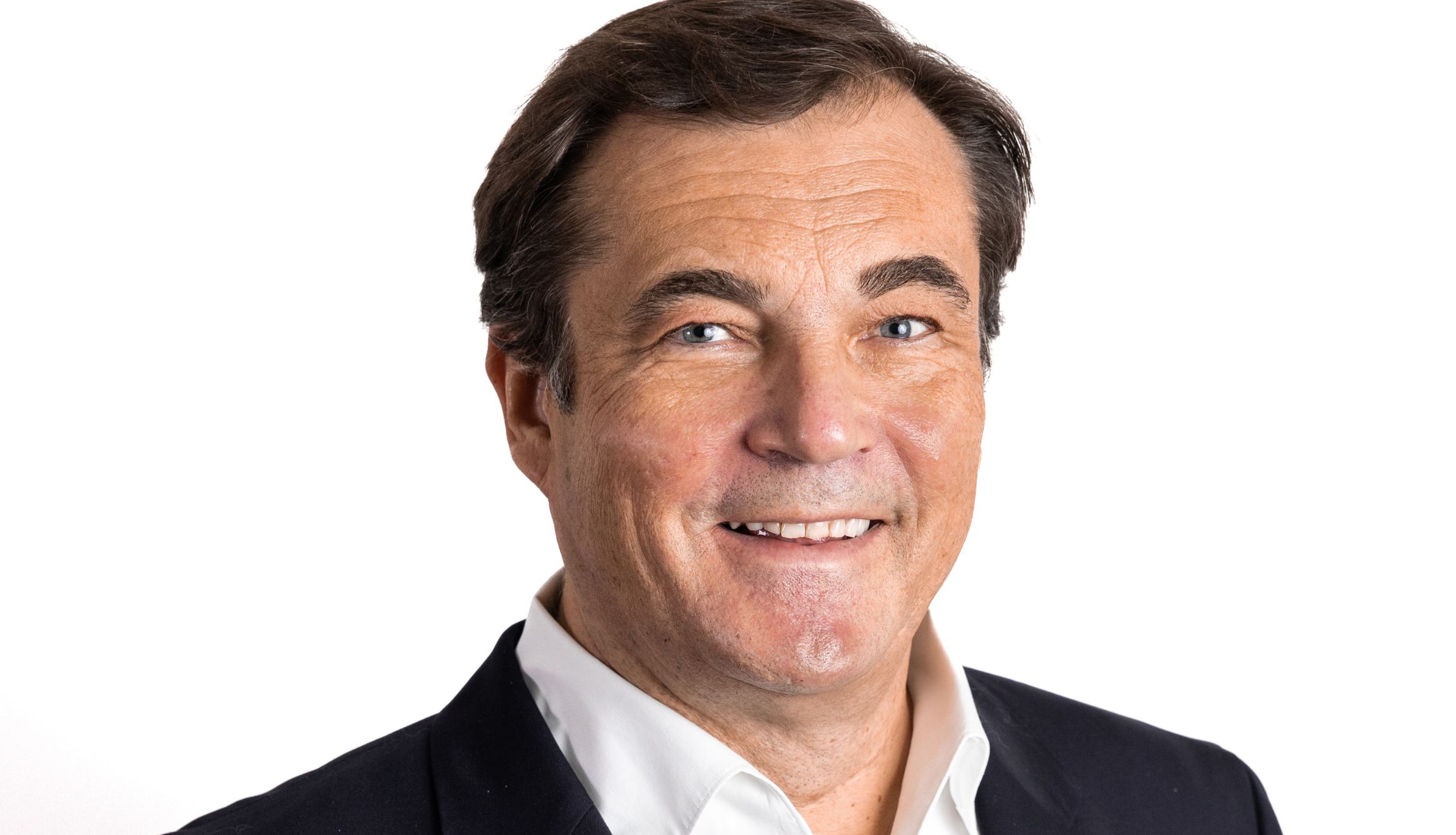
Cédric Donck, a seasoned entrepreneur, professional investor and professor of entrepreneurship and innovation, is a true expert in his field. He has launched several successful start-ups and actively supports more than 25 digital marketing companies through Virtuology.

Originally from Africa, he is also involved in philanthropic initiatives, having founded two NGOs to support local entrepreneurship and the Madagascar Museum of Photography.
We are delighted to draw inspiration from his expertise throughout our journey, which promises to be rich in discoveries and inspiration.
Virtuology has a clear vision that aims to stimulate innovation in the philanthropic ecosystem. The goal is to support digital marketing and commerce companies in their growth, which contributes to strengthening the European entrepreneurial and innovative ecosystem. Offering opportunities for success to young companies allows us to have a positive impact on the economy and promotes the development of innovative solutions.
In addition, Virtuology is committed to a North-South inclusion approach by establishing offices in Madagascar and Tangier, Morocco. This presence creates added value in both Africa and Europe by promoting exchanges and taking advantage of the skills and opportunities present in these regions.
To go even further in its philanthropic commitment, Virtuology has created the Virtuology Foundation. This foundation aims to support ESG projects mainly in Africa.
Technology plays a crucial role in my field of activity. For our foundation, it allows us to connect project leaders with people who want to support them. It also facilitates the daily monitoring of the different projects and provides us with detailed reports on the amounts invested. Transparency in the use of donor funds is a fundamental element in maintaining a constant flow of donations.

One of the major challenges in the philanthropic sector today is measuring return on investment. Virtuology recognizes the importance of tracking the impact of sustained efforts over the long term. A concrete example is the development of the Madagascar Museum of Photography over 12 years ago. Initially, Virtuology was the main supporter of the project, but thanks to the credibility and quality of the work done on the ground, we were able to mobilize a significant number of additional financial supporters. Today, the Madagascar Museum of Photography is the most visited museum in the country, welcoming approximately 20,000 visitors per year.
» Philanthropic Challenge: Measurable ROI. Our solitary support transforms the Madagascar Photography Museum into a flagship attraction .
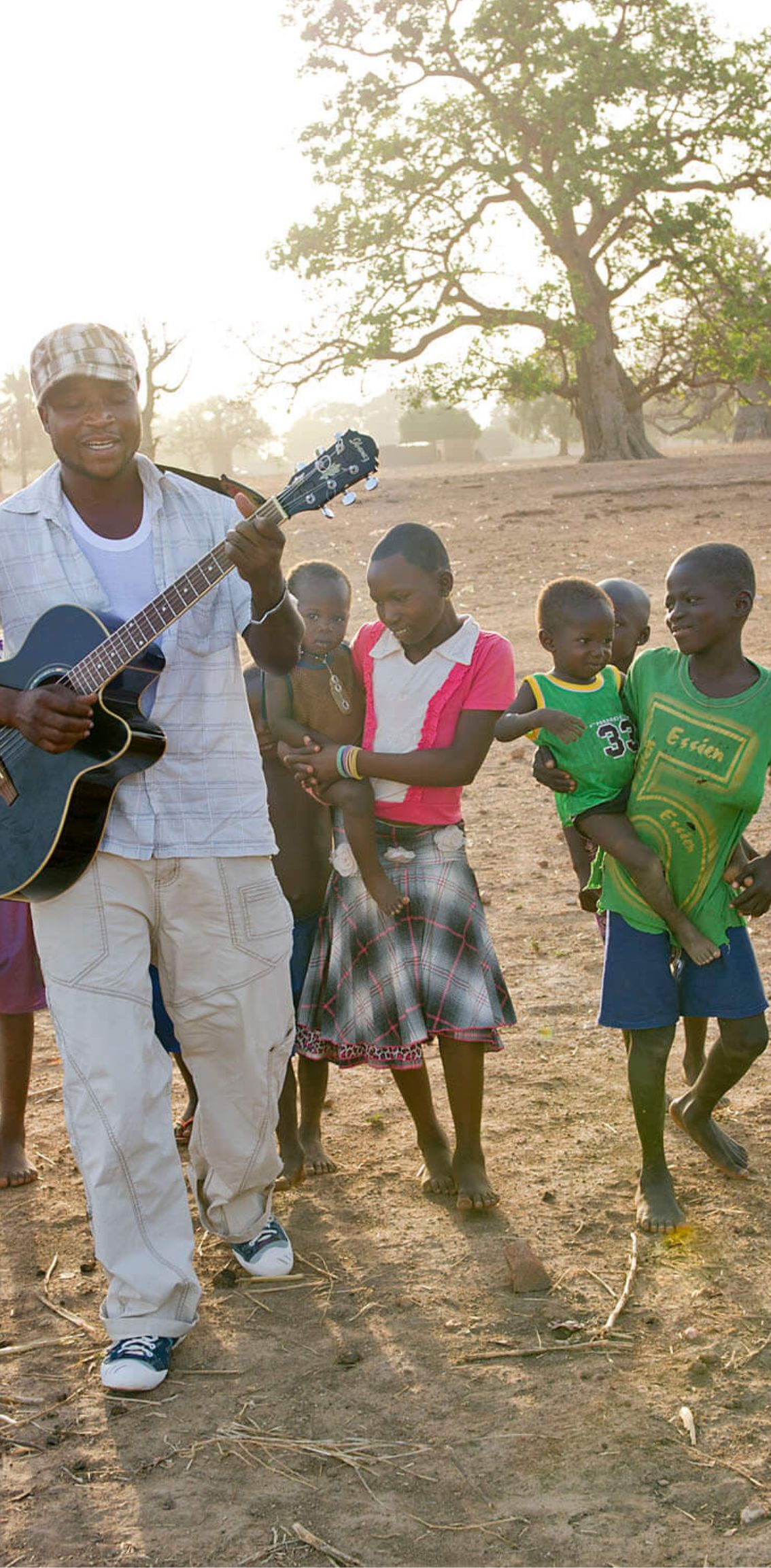
An example of a successful project supported by Virtuology is the NGO Adanso, which promotes entrepreneurship in Burkina Faso by providing microcredit to small businesses with fewer than 10 employees. Over the past 15 years, Virtuology has funded over 200 projects through this initiative, with a success rate exceeding 90%.
Several key factors contributed to the success of this project. First of all, the quality of the operators on the ground was an essential element. By working with competent and committed professionals, Virtuology was able to ensure that the funds were used efficiently and that the beneficiary entrepreneurs were well supported in their development. This approach based on local expertise helped to establish relationships of trust and to optimize the chances of success of the supported companies.
Another important factor was the support of Virtuology’s Board of Directors. Their commitment and expertise helped guide strategic decisions and ensure that resources were allocated wisely. Their active involvement in project monitoring helped identify opportunities for improvement and maximize the results achieved.
Finally, it is essential to emphasize that the success of this project is based on the human aspect of philanthropy. The desire to support local entrepreneurs, to accompany them in their development and to help them achieve their entrepreneurial aspirations is at the heart of this initiative. The values of empathy, inclusion and partnership are key factors that have made it possible to achieve significant results.
» The Virtuology Foundation, a human support for entrepreneurship in Burkina Faso and beyond, with more than 200 projects supported and a success rate of more than 90%. «
Virtuology uses different methods to measure and track the impact of its platform on the philanthropic ecosystem, depending on the projects supported. However, we consider human impact to be of paramount importance in our evaluations.
We use a variety of metrics and indicators to assess the success of our initiatives. For example, we may measure the career success of the students we have supported by tracking their achievements after receiving our assistance. This may include indicators such as graduation rates, jobs obtained, or skills acquired.
In the case of the Madagascar Photography Museum, we assess the number of students or visitors who attended the museum. This allows us to measure the educational and cultural impact of the institution.
In addition, we also measure the number of jobs created by the companies we support through our entrepreneurship initiatives. This allows us to quantify the economic and social impact generated by these companies.
Finally, we can also assess the average career length of employees working in the companies we support. This gives us an indication of the stability and sustainability of the jobs created.
Overall, these measures and indicators help us assess the impact of our philanthropic actions with a focus on the human factor. We consider these criteria to be the most valuable in assessing the success of our projects, as they demonstrate the improvement of people's lives, economic development and the creation of sustainable opportunities.

In my opinion, one of the emerging trends in the philanthropic ecosystem is the use of artificial intelligence (AI) to improve the matching between donor criteria and the projects to support. In the philanthropic field, there is a great diversity of projects and finding suitable matches can be a challenge. AI algorithms have the potential to help solve this problem by enabling a better match between donors and projects that match their interests and objectives. This use of AI can lead to a more efficient matchmaking process and a more significant impact in the field of philanthropy.
Here are my tips for businesses, fundraising platforms, and NGOs looking to maximize their impact and drive positive change in the philanthropic ecosystem:
First, I would recommend working with complete transparency. It is this transparency that inspires trust in donors. It is important not to embellish the story, but rather to make it authentic. Donors appreciate sincerity and clarity in communicating objectives, results and use of funds. Full transparency strengthens the relationship of trust and can encourage donors to become more involved.
Second, I would advise running an NGO professionally, just as one would run a commercial business. While there are many philanthropic projects, few manage to combine transparency and professionalism.
By adopting effective management practices, establishing clear strategies, following solid processes and putting in place accountability mechanisms, an NGO can demonstrate its credibility and its ability to achieve concrete results.
A professional approach builds donor confidence and motivates them to further support philanthropic initiatives. This will give companies, fundraising platforms and NGOs a better chance of maximizing their impact and driving positive change in the philanthropic ecosystem.


